Ceiling lighting: the general light for a whole room
Ceiling lighting carries the general light. What it does, which light colours there are and how long it lasts.
Ceiling lighting decides how bright and how calm a room feels. For anyone fitting out a floor area it is the first decision — everything else builds on it. This piece goes through what it does, the light colours and the service life.
What ceiling lighting does
- General light over the whole area. It lights the room evenly, so there is enough light everywhere and no dark zones are left.
- High output. Because the fixtures sit high up, the output has to reach the floor. What matters is the ratio of light output to power drawn.
- A calm ceiling. An ordered ceiling — even spacing, one fixture type — reads more calmly than a mixture of several.
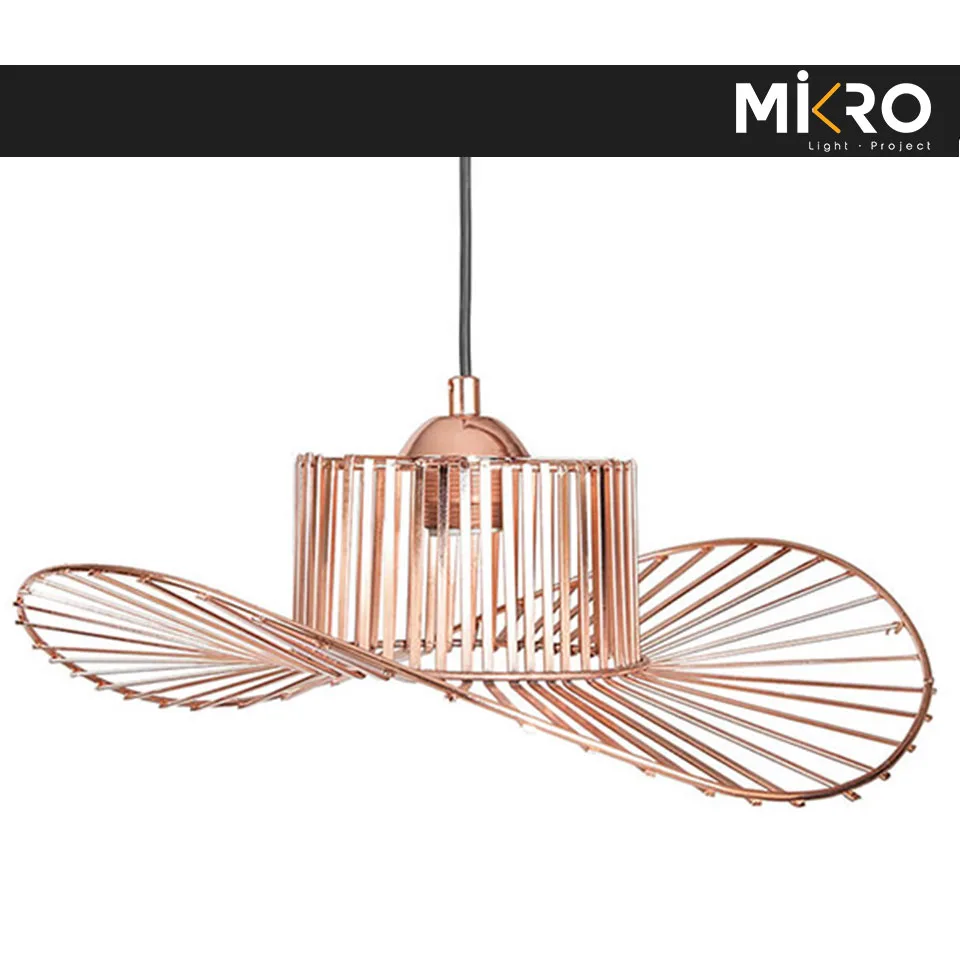
- Freedom in execution. Recessed, surface-mounted, pendant or linear profile, with colour temperatures from 2700 K to 6500 K. The choice follows the ceiling build-up and the use of the room.
The advantages
- Low running costs. With LED modules and a fixture with good optical efficiency, electricity costs fall measurably.
- Clear surfaces. If the ceiling carries the general light, walls, tables and worktops stay free of extra fittings.
- Less glare. Light given off from above through a shielded surface does not hit the eye directly.
- More apparent height. A lit ceiling makes a room read as higher and more open.
- Simple maintenance. In a suspended ceiling the insert can be changed without touching the ceiling; otherwise regular cleaning is usually enough.
- Long service life. LED modules last considerably longer than the light sources they replaced.
The light colours
Colour temperature follows the use of the room, not personal taste:
- Warm white, 2700–3000 K. Homes, hotels and hospitality. Soft light in which wood and textile keep their tone.
- Neutral white, 3500–4000 K. Offices, retail and schools. Higher apparent brightness, less fatigue over a long working day.
- Daylight white, 5000 K and above. Shop windows, exhibitions, workshops and inspection work, where colours have to be judged correctly.
Recessed ceiling fixtures are in our recessed lighting range; the same housings are also available as surface-mounted and pendant versions.
How long a ceiling fixture lasts
That depends on the build and the operating conditions. LED modules normally reach between 50,000 and 100,000 operating hours — roughly five to ten years in normal use.
Two things shorten that: continuous operation and heat. If the fixture's permitted operating temperature is exceeded, the module loses output early. That is why the housing and the heatsink matter as much as the module, and why the manufacturer's figures are worth reading.
What you can do: choose modules with low power draw, stay within the permitted operating temperature, and clean the fixtures regularly. Dust on the diffuser reduces usable output and raises the temperature inside the housing.
We make ceiling fixtures for projects in our own workshop, in the dimensions, finishes and colour temperatures the project asks for. Send us the ceiling plan, or call +90 212 220 93 95.